
𝐄𝐉𝐅 𝐂𝐨𝐧𝐜𝐥𝐮𝐝𝐞𝐬 𝐒𝐜𝐨𝐩𝐢𝐧𝐠 𝐌𝐢𝐬𝐬𝐢𝐨𝐧 𝐢𝐧 𝐓𝐡𝐞 𝐆𝐚𝐦𝐛𝐢𝐚 𝐀𝐡𝐞𝐚𝐝 𝐨𝐟 𝐅𝐢𝐬𝐡𝐞𝐫𝐢𝐞𝐬 𝐆𝐨𝐯𝐞𝐫𝐧𝐚𝐧𝐜𝐞 𝐏𝐫𝐨𝐣𝐞𝐜𝐭

The Environmental Justice Foundation (EJF) has successfully concluded a scoping mission in The Gambia in preparation for the implementation of the Global Toolkit for Participatory Fisheries Governance Project, a European Union-funded initiative aimed at combating illegal fishing and strengthening community participation in fisheries management.

The project, which will be implemented in 15 countries across the Global South, seeks to empower coastal fishing communities with practical tools and knowledge to participate more effectively in the management of marine resources and to help tackle Illegal, Unreported and Unregulated (IUU) fishing.
Small-scale fisheries remain a critical source of food security and livelihoods worldwide, accounting for approximately 40 percent of the global fish catch, equivalent to 37 million tonnes annually. Nearly 492 million people depend on the sector either fully or partially for their income and sustenance. However, according to the Food and Agriculture Organization (FAO), 35 percent of global fish stocks are overexploited, with illegal fishing continuing to pose a serious threat to marine ecosystems and coastal economies.

Over the past decade, EJF has gained extensive experience in promoting fisher participation in decision-making processes across Africa and Asia. Through projects in countries such as Ghana, Liberia, Sierra Leone, Senegal and Cameroon, the organization has helped strengthen the capacity of fisheries stakeholders to advocate for sustainable fisheries management.
The Global Toolkit for Participatory Fisheries Governance Project will build on these achievements by equipping fishing communities and their representatives with tools to document and report illegal fishing activities. A key component of the initiative is EJF’s DASE mobile application, which enables small-scale fishers to record and report industrial illegal fishing incidents in real time.
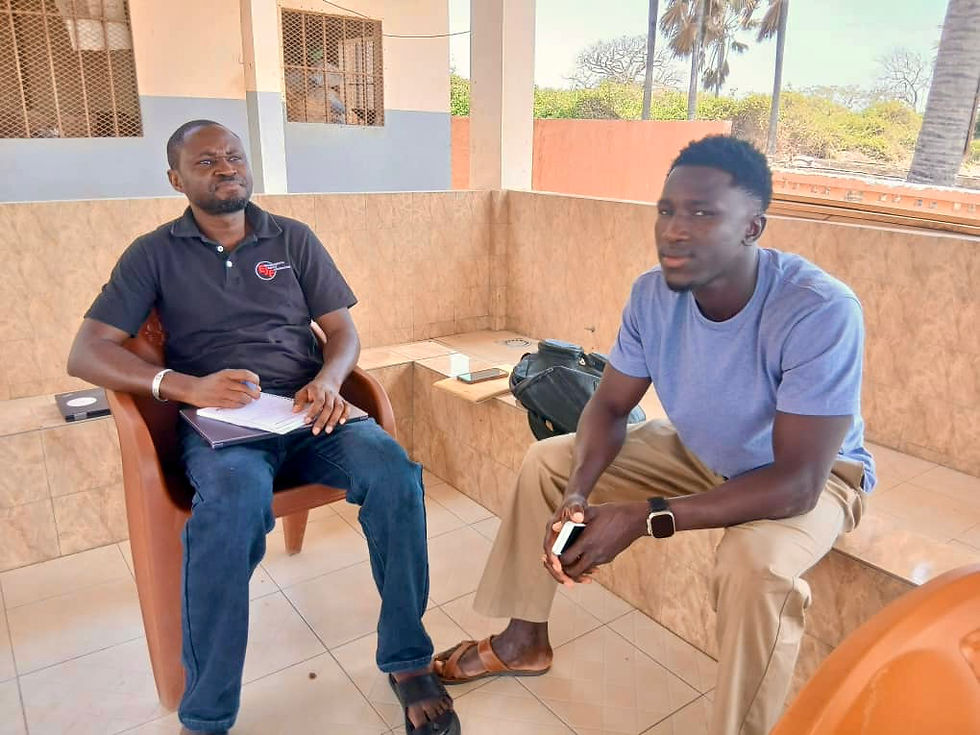
The scoping mission in The Gambia was facilitated by Lamin Jassey, Executive Director of the Gunjur Conservationists and Ecotourism Association (CETAG), with support from the Ministry of Fisheries and the Department of Fisheries. EJF has partnered with CETAG to implement the project in The Gambia.
The Gambia is among the countries selected for the third phase of the Global Toolkit Project, with implementation activities scheduled to run from April 2026 to October 2027.
The mission team comprised Will May, Global Toolkit Programme Coordinator at EJF; Gilbert Ndiaye, Project Officer for Francophone Africa based in Senegal; and Lamin Jassey, Executive Director of CETAG.

During their visit, the delegation engaged with fisheries stakeholders and coastal communities in Banjul, Gunjur, Sanyang, Tanji, Kartong and Brufut. The consultations provided an opportunity to assess local fisheries governance structures, identify community priorities and establish partnerships necessary for the successful implementation of the project.
The initiative is expected to strengthen local participation in fisheries governance, improve monitoring and reporting of illegal fishing activities, and contribute to the long-term sustainability of The Gambia’s fisheries resources and coastal ecosystems.

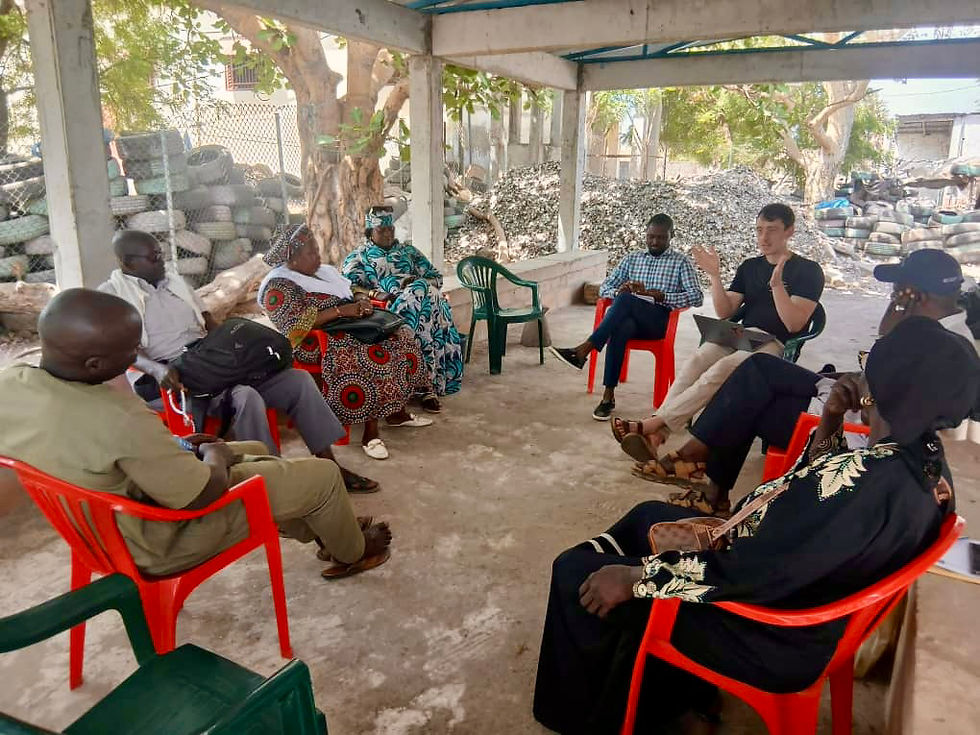
As implementation begins, EJF and CETAG have reaffirmed their commitment to working closely with fishing communities, government institutions and civil society organizations to promote transparent, inclusive and sustainable fisheries governance throughout The Gambia.


Comments